
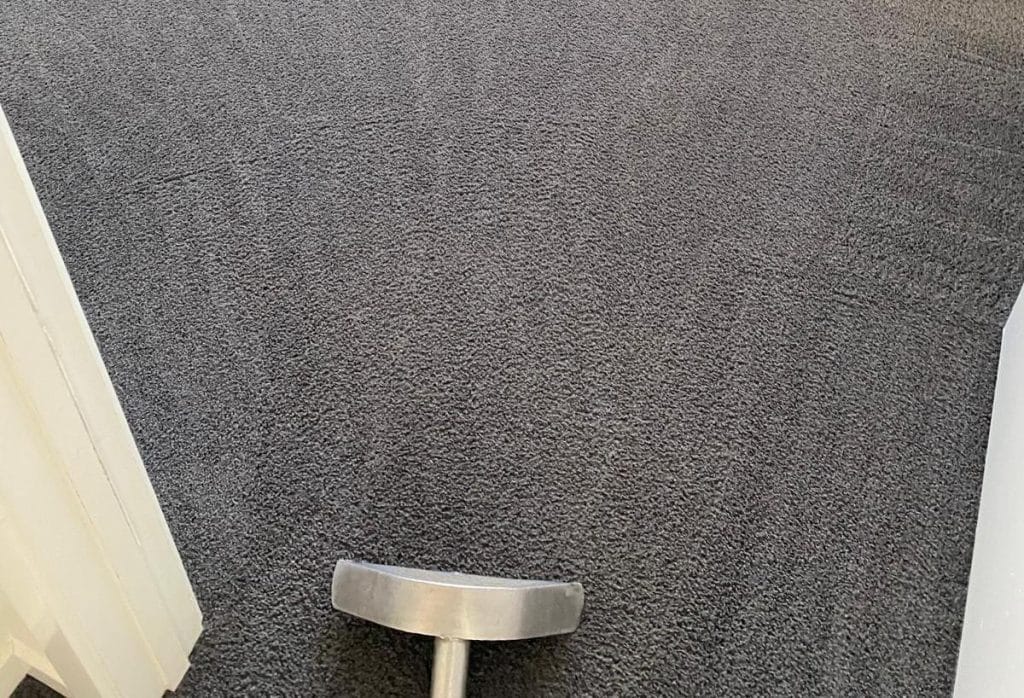
Quick answer: There is no single cleaning interval that fits every carpet. A lightly used spare room and a busy office entrance do not need the same schedule. Traffic, pets, spills, indoor use and presentation standards should drive the plan.
Start with traffic, not the calendar
Carpet in entrances, hallways, living areas and office walkways collects soil faster than low-use rooms. If traffic lanes are visibly darker, vacuuming no longer improves the appearance or the carpet feels loaded with residue, waiting for an arbitrary annual date is not useful.
High-traffic areas may benefit from more frequent professional attention while low-use rooms can often be cleaned less often. A maintenance plan can also focus on traffic zones between full cleans.
Homes with children, pets or frequent visitors
Busy households typically deal with more tracked-in soil, spills and spot cleaning. Pets can add hair, odour and occasional contamination that may need targeted treatment rather than just a general clean.
In these properties, inspect the carpet regularly and book based on condition. Early treatment of problem areas is usually easier than allowing heavy soil or repeated DIY products to build up.
Apartments and rental properties
Apartments can have concentrated traffic because the total floor area is smaller, and building access may influence when professional cleaning is practical. Tenancy changeovers are also a natural point to inspect carpet condition and decide whether cleaning is needed.
Do not assume every lease requires the same professional-cleaning service. Check the actual tenancy agreement and current requirements, then book the cleaning scope that matches the carpet condition and handover expectations.
Offices, strata and commercial spaces
Commercial carpet is often managed around traffic and business operations. Reception areas, corridors, meeting rooms and common areas may need different frequencies. Planned cleaning can be scheduled around opening hours so maintenance is less disruptive.
For strata buildings, a targeted plan for lifts, corridors, entry mats and common areas can be more efficient than treating every space identically.
Cleaning frequency does not apply to unexpected water damage
If carpet becomes wet from a leak, storm, overflowing appliance or plumbing failure, do not wait for the next scheduled clean. Unexpected water can affect underlay and surrounding materials and should be assessed as a drying or restoration issue.
Routine cleaning is maintenance; water extraction and structural drying are damage response. Keeping those two services separate helps avoid hidden moisture problems.
Frequently asked questions
Is once a year enough for every carpet?
No. Some low-use carpets may need less frequent cleaning while busy homes and commercial areas may need more frequent attention.
Should I wait until carpet looks dirty?
Visible traffic lanes mean soil has already accumulated. Condition-based maintenance is usually better than waiting for severe soiling.
Do rental carpets always need professional cleaning at the end of a lease?
Requirements vary. Check the tenancy agreement and current NSW rules rather than relying on a blanket assumption.
What if the carpet is wet rather than dirty?
Use wet-carpet drying or water-damage restoration rather than a routine carpet-cleaning schedule.
Need help with this problem?
Restored Right provides Carpet Cleaning Sydney and related restoration or cleaning services across Sydney. For urgent water damage, call 0481 825 326. For planned work, request a booking online.