
Quick answer: “Steam cleaning” and “dry cleaning” are often used as shorthand for different carpet-cleaning approaches. The right method depends on the carpet, the soil load, the property and the result you need.
What people usually mean by carpet steam cleaning
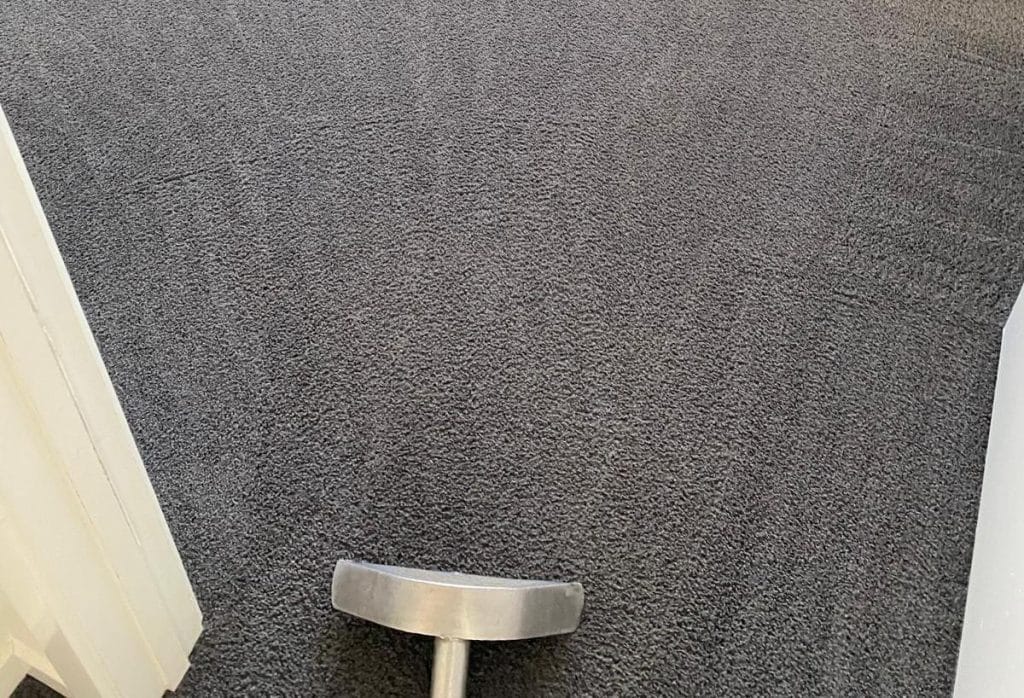
Professional carpet steam cleaning commonly refers to hot-water extraction. Cleaning solution and water are worked through the carpet and then extracted along with loosened soil. It is suited to many residential and commercial carpets when the fibre and backing are compatible and the job can be ventilated while it dries.
The useful part of the method is not the word “steam”; it is the combination of inspection, appropriate chemistry, agitation where needed, controlled moisture and strong extraction. Using more water does not automatically mean a better clean.
What low-moisture or “dry” carpet cleaning means
Low-moisture methods use substantially less liquid and are often chosen where rapid return to use is important. Depending on the system, cleaning compounds or encapsulation products are worked into the carpet and removed during or after the process.
This can suit offices, common areas and planned maintenance, but method selection should still follow the carpet type, manufacturer guidance, soil conditions and the finish required. One method is not universally superior for every property.
Drying time and disruption
Hot-water extraction normally leaves the carpet damp for a period after cleaning, so airflow and indoor humidity matter. Low-moisture systems can reduce downtime, which may be useful for businesses, strata common areas and occupied properties that need quicker access.
Whatever method is used, the carpet should not be left excessively wet because of poor technique. If it is wet because of a plumbing leak or flood rather than cleaning, that becomes a restoration issue and may involve underlay and subfloor moisture that routine cleaning methods are not designed to manage.
Which method is better for stains and heavy soil?
Heavy traffic soil, spills and embedded contamination may need pre-treatment and extraction rather than a light maintenance pass. At the same time, aggressive chemistry or repeated overwetting can damage some carpets, so inspection matters more than choosing a method from a marketing label.
Tell the technician what the main problem is: general dullness, traffic lanes, pet odour, a known spill, end-of-lease presentation or planned commercial maintenance. A good recommendation should connect the method to the problem.
When neither method is the first step
If carpet is wet after a burst pipe, storm, overflowing appliance, roof leak or sewage event, do not treat the problem as normal carpet cleaning. Water category, how long materials have been wet, underlay condition and moisture in nearby building materials may need to be assessed first.
Restored Right separates routine cleaning from water-damage work so a cosmetic clean does not hide an unresolved moisture problem. For unexpected wet carpet, start with wet-carpet drying or water-damage restoration.
Frequently asked questions
Is steam cleaning actually steam?
The term usually refers to hot-water extraction rather than cleaning with dry steam alone.
Does dry carpet cleaning mean there is no moisture?
No. “Dry” commonly means low-moisture compared with hot-water extraction; the exact system varies.
Which method dries faster?
Low-moisture methods generally use less liquid, but actual return-to-use time depends on the method, carpet, ventilation and indoor conditions.
Can I steam clean carpet after a flood?
Flood-affected carpet should be assessed and dried as a water-damage job first. Routine steam cleaning is not a substitute for extraction and structural drying.
Need help with this problem?
Restored Right provides Carpet Cleaning Sydney and related restoration or cleaning services across Sydney. For urgent water damage, call 0481 825 326. For planned work, request a booking online.